How to Waterproof Your Gear for Overland Camping
Nothing ruins a multi-day trail run faster than waking up to soaked sleeping bags and wet electronics. When you’re deep in the backcountry, wet gear isn’t just uncomfortable - it can be a genuine safety problem. The good news is that waterproofing your overlanding kit doesn’t require expensive purpose-built solutions. With the right approach and a few well-chosen pieces of gear, you can keep everything dry on a budget.
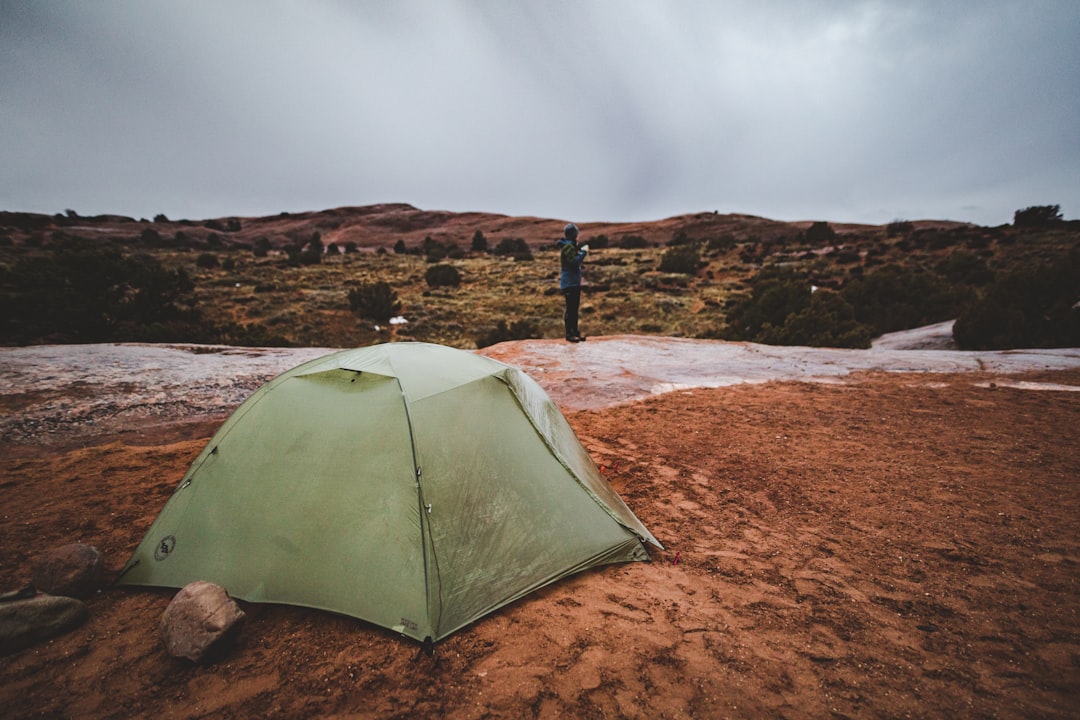
Photo by Patrick Hendry on Unsplash
Safety note: If your waterproofing plans involve electrical components - like sealing a dual-battery system enclosure or protecting CB radio wiring - work with the vehicle powered off and battery disconnected. Water intrusion into electrical systems is a fire risk. See our guide on budget dual-battery setups for more on protecting your electrical gear.
Why Waterproofing Matters More on a Budget Build
When you’re running a $2,000 overland setup as described in our budget overlanding truck build guide, your gear tends to be stowed in exposed areas - truck beds, open roof racks, soft-sided storage bags. You don’t have the luxury of a fully enclosed storage box or a premium RTT with integrated condensation management. That means water management has to be intentional.
In our experience with budget builds, the most common water failures are: sleeping bags absorbing moisture through a thin tent floor, electronics getting soaked in an unsecured cab bag, and food stores getting damp from condensation in cooler-adjacent storage. All three are preventable.
Understanding Waterproof Ratings
Before buying anything, it helps to understand what waterproof claims actually mean. Gear is rated using a hydrostatic head (HH) measurement, which describes how much water pressure a fabric can resist before it leaks.
- 1,000-2,000mm HH - light rain resistance, suitable for packs stored in covered areas
- 5,000-10,000mm HH - adequate for sustained rain exposure
- 20,000mm HH+ - heavy rain, snow, and prolonged submersion resistance
For overlanding, you want anything directly exposed to the elements (tent rainfly, gear stored on a roof rack) to be rated at 5,000mm or higher. Items inside the vehicle cab can get away with lighter protection, but dry bags and stuff sacks are still worth using.
For a deeper look at how waterproofing technology works, the Wikipedia article on waterproofing covers the material science behind DWR coatings and membrane technologies.
Layer 1 - Your Rain Suit
The first line of defense is a good rain suit. You will be setting up camp in the rain, digging out the recovery kit in a downpour, and refilling water jugs in storms. Wet clothes in cold temps are a hypothermia risk, especially for solo travelers. Check our solo overlanding safety guide for more on managing environmental hazards on your own.
We’ve used the Frogg Toggs All Sport Rain Suit across several wet weekend trips and it holds up well for the price. It’s lightweight, packs down small, and fits over layered clothing without restricting movement. It won’t last a decade of daily use, but for occasional trail deployments it’s more than adequate.
Frogg Toggs All Sport Rain Suit on Amazon
What to look for in a budget rain suit
- Taped or welded seams (not just waterproof fabric - seams are where water gets in)
- Adjustable cuffs and hood to keep water from running down your arms and neck
- Packable design - it needs to live in your grab bag, not your closet
Layer 2 - Dry Bags for Gear Storage
Dry bags are the cheapest and most effective waterproofing upgrade for any overlanding kit. They work by rolling the top closure multiple times to create an airtight, waterproof seal. A properly rolled dry bag will keep contents dry even when submerged.
The key is having the right sizes. We run three main sizes:
- Small (2-4L) - Electronics, maps, first aid supplies, fire starters
- Medium (10-20L) - Sleeping bag, extra clothing layers
- Large (30-40L) - Tent body, inflatable sleeping pad, camp towels
The Sea to Summit Ultra-Sil Dry Sack is our top pick for electronics and sleeping bag protection. The Ultra-Sil fabric weighs almost nothing, and the roll-top closure is reliable even after heavy use. If you’re on a tighter budget, the MARCHWAY Floating Waterproof Dry Bag performs similarly at a lower price point and comes in a range of sizes.
Sea to Summit Ultra-Sil Dry Sack on Amazon
MARCHWAY Floating Waterproof Dry Bag on Amazon
Layer 3 - Protecting Your Vehicle Storage Areas
Dry bags only help if the water doesn’t get to them in the first place. Here’s how to waterproof the main storage zones in a typical budget build.
Truck bed
A fitted truck bed cover (even a soft roll-up tonneau cover) keeps the vast majority of rain out. If you’re not running a tonneau, a basic cargo net with a waterproof tarp bungeed over exposed gear works in a pinch. The tarp approach isn’t elegant, but it works. Make sure airflow can escape or you’ll collect condensation underneath.
Roof rack storage
Anything stored on a roof rack needs to be in a waterproof container or wrapped in a heavy-duty dry bag or waterproof duffel. We tested both approaches over a wet weekend in the Pacific Northwest - the dry bags held up fine, but the hard-sided container we borrowed performed better in sustained heavy rain because it didn’t flex under the weight of water pooling on top.
Cab storage
The cab stays dry unless a window seal fails or you leave a window cracked in a rainstorm. Electronics (GPS, radios, cameras) are still best stored in small dry bags even inside the cab. A single condensation event or a door seal leak can ruin unprotected gear.
Layer 4 - Seam Sealing and DWR Refresh
If you’re running older tent or tarp gear, the seams may have lost their factory sealing and the DWR (durable water repellent) coating on the fabric may have degraded. Reapplying both is cheap and effective.
Seam sealer is applied to the interior of tent seams with a brush or applicator. Let it dry fully (usually 4-8 hours) before packing the tent. DWR spray or wash-in treatment restores the hydrophobic coating that causes water to bead off fabric rather than soaking through. When we re-treated our three-season tent fly last season, it shed rain as well as it did when new.
What Not to Bother Waterproofing
Not everything needs waterproofing treatment. Cast iron cookware, recovery straps, tow hooks, and most vehicle hardware are designed to get wet. Spending time and money sealing these is wasted effort. Focus your waterproofing budget on: sleeping gear, electronics, fire-starting supplies, maps and documents, and clothing layers.
Recommended Products
- Frogg Toggs All Sport Rain Suit - Best budget rain suit for trail use
- Sea to Summit Ultra-Sil Dry Sack - Lightweight, reliable dry bag for sleeping bags and electronics
- MARCHWAY Floating Waterproof Dry Bag - Budget-friendly dry bag available in multiple sizes
As an Amazon Associate we earn from qualifying purchases at no extra cost to you.
Bookmark this guide and check out our overland recovery gear roundup next - dry gear won’t matter much if you can’t get unstuck.