Best Portable Water Filters and Storage Systems for Remote Overlanding
This post contains affiliate links. As an Amazon Associate, I earn from qualifying purchases at no extra cost to you.
Running out of water 40 miles from the nearest pavement is not a misadventure story. It is a rescue call. Yet water planning consistently gets treated as an afterthought on overlanding builds, overshadowed by suspension lifts, recovery gear, and lighting setups. Most rigs carry just enough water for the drive in, then start rationing on day two when a jerry can runs unexpectedly low and the nearest stream is an unknown distance up a sketchy spur trail.
The practical solution is a layered system: enough stored capacity to reach your next reliable source, combined with the filtration tools to make found water safe to drink. For most remote overlanding trips up to five days, you do not need a $500 plumbed tank or a countertop reverse-osmosis unit. A compact portable filter for high-volume camp use, a purifier bottle for quick personal use, and a dedicated hard-sided water pack mounted to your rig covers every realistic scenario in the field.
This guide breaks down how to build that system without wasting money on redundant gear, how to calculate the water volume your crew actually needs, and why the three products covered below represent the strongest value-to-function overlap in their categories for budget-conscious builds.
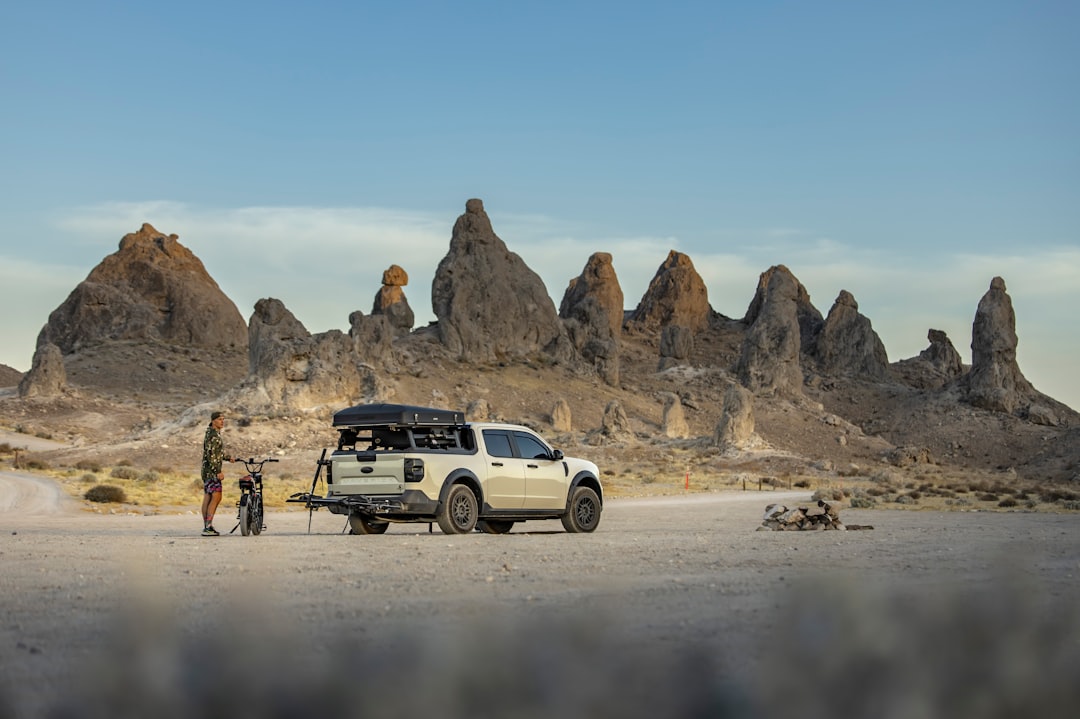
Photo by Leo_Visions on Unsplash
How Much Water to Carry on a Remote Overlanding Trip
Get the volume calculation right before you pick your containers and filters. Everything else flows from that number.
The practical baseline for trip planning is one gallon (roughly 3.8 liters) per person per day for drinking and cooking in mild conditions. Add another half-gallon per person per day if you are running a full camp kitchen with pot cleanup, or if a dog is on the roster. Hot desert conditions or physically demanding days - long hikes, extraction recovery work, hard labor in direct sun - can push that to two gallons per person per day. The CDC’s backcountry water guidance recommends at least one liter per hour of strenuous activity in the heat, and that number compounds quickly when you factor in tire work and vehicle recovery efforts.
Run the math before you load the rig:
- Solo, 3-day trip, mild conditions: 3-4 gallons minimum carry
- Two people, 5-day desert route: 10-14 gallons minimum carry
- Group of four, 3-day trip with cooking: 14-18 gallons, or confirmed water sources en route
These numbers shift dramatically once filtration enters the equation. If your route passes through terrain with reliable streams or lakes, you can reduce your carried volume significantly because you are treating found water rather than hauling everything from your driveway. That is the core argument for portable water filters as infrastructure rather than optional gear. They change what your vehicle has to weigh and haul over the entire trip.
One consistent underestimation: cooking water. Reconstituted meals, morning coffee, and basic pot rinsing easily add a liter per meal per person. Build that into your baseline before trip day, not when you realize the backup jerry can is already half-empty on day three.
Portable Water Filters for Overlanding: Understanding Filter vs. Purifier
The terms “filter” and “purifier” get used interchangeably across overlanding forums, but they describe meaningfully different protection levels. Choosing the wrong category is the most common route to waterborne illness among backcountry travelers.
Filters use a hollow-fiber membrane or similar mechanical process to physically remove bacteria, protozoa (Giardia, Cryptosporidium), and particulate matter. They do not remove viruses. The Sawyer Squeeze operates in this category as a mechanical water filter. In North American backcountry water above human habitation - mountain streams, alpine lakes, and forest springs - viral contamination is rare enough that a filter provides adequate protection for most overlanding use.
Purifiers go further. They combine mechanical filtration with an additional treatment stage - activated carbon, iodine-resin, electroadsorption, or ultraviolet light - to neutralize viruses including hepatitis A, norovirus, and rotavirus. NSF International publishes certification lookup tools that let you verify whether a specific product meets the NSF/ANSI benchmarks for its claimed protection category. The GRAYL GeoPress is a purifier, which is why it uses a consumable cartridge that requires periodic replacement.
Chemical treatment (iodine tablets, Aquatabs) is the budget fallback: effective against bacteria and viruses, less reliable against Cryptosporidium at standard doses, and it leaves a chemical aftertaste. Carry a small supply as a last-resort backup, not as your primary daily treatment method.
The decision rule for overlanding: use a quality filter as your primary system for North American backcountry sources. Add a purifier bottle or chemical backup for international travel, water downstream of agriculture or mining activity, high-use campground watersheds, or any source where contamination history is unknown. The protection difference is meaningful when the nearest medical care is a full day’s drive.
Best Portable Water Filters Compared: Sawyer Squeeze vs. GRAYL GeoPress
These two products occupy different niches and complement each other rather than compete. Here is how they stack up across the variables that matter for overlanding use.
Sawyer Squeeze SP129: The High-Volume Camp Filter
The Sawyer Products SP129 Squeeze Water Filtration System is one of the most field-proven water filters on the market. The filtration membrane is designed for a high volume of water before replacement, making it well-suited for extended overlanding use. The kit includes two 32-oz squeeze pouches, a straw for direct-source use, and a hydration pack adapter for inline filtration through a bladder.
The most useful mode for overlanding is gravity filtration. Hang a filled squeeze pouch from a tree branch or tailgate hook, connect the filter to the outlet, and let gravity drip filtered water into a pot or clean container while you set up camp. This hands-free approach makes it practical for filling group cooking water without anyone standing there squeezing continuously. The backflush tool clears the membrane when flow rate drops - this is routine maintenance, not a sign of failure, and skipping it is the single most common reason users report poor Sawyer performance.
Key limitation: no virus protection. The included squeeze pouches can also develop seam leaks after repeated hard use. Under regular overlanding use, plan to replace the pouches annually. The filter element itself will long outlive them.
GRAYL GeoPress 24 oz: The All-in-One Purifier Bottle
The GRAYL GeoPress 24 oz Water Purifier & Water Filter Bottle works like a French press. Fill the outer cup from any water source, press the inner cup down against the cartridge, and you have 24 oz of purified water ready to drink. The cartridge is designed to treat a broad spectrum of contaminants. Each cartridge is rated for a set number of uses before replacement.
For overlanding, the GeoPress works best as a personal daily-use tool. It is fast, self-contained, and requires no accessories or hanging points. The tradeoff is throughput: 24 oz per press makes it inefficient for filling a camp pot for a group, but excellent for keeping a personal water bottle topped off throughout the day. It is also your best option when you cannot assess a water source’s contamination history and want full-spectrum protection without mixing chemicals into your supply.
Side-by-Side Comparison
| Feature | Sawyer Squeeze SP129 | GRAYL GeoPress 24 oz |
|---|---|---|
| Filtration type | Mechanical filter | Purifier |
| Rated capacity | High (filter element) | Cartridge-limited |
| Flow method | Squeeze or gravity drip | Press per 24 oz fill |
| Best use | Camp water for groups, gravity fill | Personal daily use, uncertain sources |
| Size/format | Filter-only format | Integrated bottle format |
| Replacement | Backflush to extend life | Replacement cartridge required |
| Virus protection | No | Yes |
The recommendation for most overlanders: carry both. The Sawyer handles volume camp water and group replenishment. The GRAYL rides in the cab or day bag for personal drinking from any found source and serves as your virus-protection backup in uncertain terrain.
Dedicated Overlanding Water Storage: The RotopaX System and Building Your Layered Setup
Portable filtration solves the contamination problem but not the carrying problem. You still need containers that can transport clean source water to camp and hold freshly filtered supply at the site. Standard plastic jerry cans work, but they are bulky, awkward to secure on rough terrain, and prone to UV degradation if left exposed on a roof rack between trips.
The RotopaX 2 Gallon Water Pack, GEN 2 solves the mounting problem with a proprietary mounting system that attaches to compatible RotopaX mounting plates. The portable water container is designed for exterior vehicle mounting and outdoor exposure. A full two-gallon container adds meaningful weight for roof mounts where static load limits matter. For a deeper look at how roof and rack capacity figures interact, cross-reference your build specs before stacking water on top.
The GEN 2 update over the original model adds a revised pour spout with an integrated vent, which eliminates the glug-and-spill problem of the first-generation design. The seam reinforcement around the handle area is also improved - a practical fix for anyone who has had a first-gen pack develop a stress crack at a mount point.
Mounting flexibility is the strongest argument for this system over traditional cans. A RotopaX pack mounts to a variety of exterior positions on your build without sacrificing interior space. For builds where interior real estate is committed to a DIY truck bed drawer system or a refrigerator slide, exterior mounting is not a compromise - it is the natural solution.
A practical minimum starting point: two RotopaX water packs (four gallons stored) paired with filtration for on-route replenishment. That covers most two-person crews for three days with reasonable conservation. For longer trips or larger groups, three to four packs alongside a Sawyer gravity setup covers the realistic range.
Building this system follows a logical sequence:
- Calculate your minimum carry volume. Use the baseline formula above - one gallon per person per day plus 20% emergency buffer - to set your storage target before buying any containers.
- Install dedicated storage first. Mount your RotopaX packs or equivalent hard-sided containers before purchasing filtration gear. Storage capacity determines your range; filtration expands it. Do not reverse this order.
- Configure your high-volume filter for gravity mode. Rig the Sawyer Squeeze with a hang point above a clean container so it drip-fills pots and bottles hands-free at camp. This frees you to do other setup tasks while water processes.
- Pack the purifier bottle for personal and backup use. The GRAYL GeoPress travels in the cab or day bag for on-the-go drinking and serves as your redundancy if the primary filter is lost, damaged, or frozen.
- Add chemical backup. Water purification tablets weigh almost nothing and serve as a genuine last-resort treatment option. Keep them in your first aid kit, not in your daily water rotation.
- Label every container clearly. Mark each vessel as “raw” (unfiltered source water) or “clean” (filtered and ready to drink) with permanent marker or colored tape before you leave home, not at camp.
- Pre-identify refill points on your route. Before departure, mark confirmed water sources in your mapping app and note access conditions. Knowing a reliable spring is 18 miles in changes how conservatively you manage day-one supply.
Common Portable Water Filter Mistakes to Avoid in the Backcountry
Most waterborne illness among overlanders traces to equipment misuse or planning failures, not equipment failure. These are the patterns worth correcting before your next trip departs.
Freezing a hollow-fiber filter. This is the most destructive thing you can do to a Sawyer Squeeze. If ice forms inside the fiber membranes, the fibers crack. A cracked filter still passes water but no longer provides meaningful pathogen removal - and there is no visual indicator of the damage. The filter looks fine and water flows through it, but it is no longer filtering. On any trip where overnight temperatures drop below freezing, store the Sawyer inside the vehicle cab or inside your sleeping bag. If you have any reason to believe it froze, replace the filter element before trusting it again.
Assuming a filter handles all contamination types. Mechanical filters remove biological hazards reliably. They do not remove chemical contaminants, heavy metals, herbicides, nitrates, or petroleum runoff. If your water source drains agricultural land, a mining area, or road drainage infrastructure, a mechanical filter alone is not a complete solution. Identify a different source, or use chemical treatment in addition to filtration.
Skipping routine backflush maintenance. Flow rate through the Sawyer drops significantly after extended use if the membrane is not backflushed regularly with the backflush tool. The majority of performance complaints about this filter come from users who skipped this step. Backflush at the end of any significant use session, not once the flow has already slowed to a frustrating trickle. One minute of maintenance per session prevents hours of frustration mid-trip.
Not labeling containers. An unfiltered source container looks identical to a clean filtered container at 11 PM under headlamp. In a tired camp at the end of a long driving day, cross-contamination from mislabeled vessels causes more illness than mechanical failure does. Label everything with permanent marker or colored tape before you leave your driveway, while you still have good light and enough attention to do it correctly.
Underestimating pouch wear on squeeze filters. The two 32-oz squeeze pouches included with the Sawyer SP129 are functional but should be monitored for wear during extended overlanding use. Pouches can show signs of wear over time with repeated use. Carry a spare pouch or transition your gravity setup to a more durable hydration bladder at the start of any multi-day trip where daily volume will be high.
Scaling the system for yourself, not your crew. A single Sawyer in gravity mode works well for one to two people. For a group of four or more, the throughput may not keep pace with demand, creating pressure to skip filtration under time constraints. Build your filtration capacity to match your actual group size, not the minimum viable solo setup.
Skipping pre-filtration on turbid sources. For any water that appears silty or contains significant particulate - desert washes after rain, glacial meltwater, mud-stirred streams near trail crossings - running the raw water through a bandana or coffee filter before treating it helps extend the service life of both your Sawyer and your GeoPress cartridge. Cleaner input means longer filter life across any system type.
FAQ
Do I need a purifier or just a filter for remote overlanding in the United States?
For most backcountry travel in North American mountain, forest, or wilderness environments above human development, a quality filter like the Sawyer Squeeze provides adequate protection. The primary biological hazards in those environments are Giardia and Cryptosporidium, which a hollow-fiber filter removes reliably. Viral waterborne illness from genuinely remote backcountry sources is uncommon in the US. Where that risk profile changes: water downstream of cattle operations, near heavily used developed campgrounds, in desert washes draining agricultural range, or in any area where you cannot assess contamination history. For those sources, add chemical treatment to your filter or switch to a full purifier like the GRAYL GeoPress for that portion of the trip.
How do RotopaX water packs attach to a vehicle?
RotopaX uses a proprietary mounting system that requires a compatible mounting plate, sold separately from the pack itself. Plates attach to roof racks and most common overland rack systems. The water pack mounts securely to the plate. The GEN 2 design is an updated version of the original, which can make a difference on washboard roads and rocky trails where constant vibration challenges hardware over time. If a dedicated mounting plate is not practical for your build, the pack can be secured with heavy-duty straps or bolted flat, though the plate system is cleaner under sustained off-road conditions.
How often do I need to replace the GRAYL GeoPress cartridge?
GRAYL rates the cartridge for a set number of presses under normal use. Cartridge life shortens if you regularly process turbid or heavily silty water, because particulate loads the filter media faster. Pre-filtering raw water through a bandana or coffee filter before pressing extends cartridge life noticeably in those conditions. Always carry a replacement cartridge on any extended trip so a spent cartridge mid-route does not leave you without purification.
How long can I store water in a RotopaX container between trips?
Water stored in a sealed portable water container like the RotopaX GEN 2 remains safe to consume for six months to a year under normal storage conditions, assuming it was clean when filled. The EPA recommends rotating stored emergency water every six months as a conservative guideline for household preparedness. For overlanding use, the practical concern is heat exposure. Water stored in a hot vehicle or in direct sun for extended periods between trips can develop off flavors from the container, even if it remains microbiologically safe. Store containers in a shaded, temperature-moderated location between trips, and run any long-stored water through your filter before drinking as a precaution even if it smells and looks clean.
Conclusion
Water planning is unglamorous, but it is the variable most likely to cut a remote trip short or convert a mechanical problem into a genuine emergency. A set of RotopaX containers gives you a solid and securely mounted baseline carry volume. A Sawyer Squeeze handles daily camp replenishment from surface water sources with minimal weight cost to the rig. A GRAYL GeoPress closes the virus gap, handles personal daily use in a single fast tool, and backs up the primary filter if something goes wrong with it. Together, this system covers the realistic water scenarios for multi-day remote overlanding across nearly any terrain type.
Before your next trip, run the volume calculation for your specific crew and conditions, identify confirmed water sources on your planned route, and verify your filtration kit is serviced and ready to use. Pair your water system with the rest of your safety kit - as covered in our guide on essential overlanding safety gear and emergency supplies - and water will be one fewer thing to think about once you are on the trail.
Found this breakdown useful? Bookmark it for your next trip planning session or drop your current water system setup in the comments below.
Related Reading
- Essential Overlanding Safety Gear and Emergency Supplies - Water fits into a broader emergency framework; this post covers the full kit every overlander should carry before heading into remote terrain.
- How To Set Up a Camp Kitchen in Your Vehicle for Under $200 - A functional trail kitchen depends on reliable water access; this guide shows how to integrate cooking and water supply into a compact, organized system.