Protecting your engine from dust and debris on remote trails
This post contains affiliate links. As an Amazon Associate, I earn from qualifying purchases at no extra cost to you.
A stock air filter and factory air box handle pavement and light gravel without complaint. Push them into serious backcountry terrain and the math changes fast. Fine silica dust from dry desert two-tracks, volcanic gravel roads, and high-desert jeep trails is abrasive enough to score cylinder walls and accelerate ring wear. Prolonged dust columns behind other vehicles can load a paper filter to near-total restriction within hours, cutting airflow and sending your engine management system into a compensation spiral that steadily kills power and fuel economy long before you notice anything is wrong.
Protecting your engine from dust does not have to be expensive. The practical solution layers three elements: a high-quality reusable filter, a precharger wrap for high-exposure situations, and a properly installed snorkel for the builds that need it most. Every upgrade here has a defensible rationale rooted in how engines actually fail in dusty terrain, and none of it requires spending money on things that do not measurably improve your outcome.
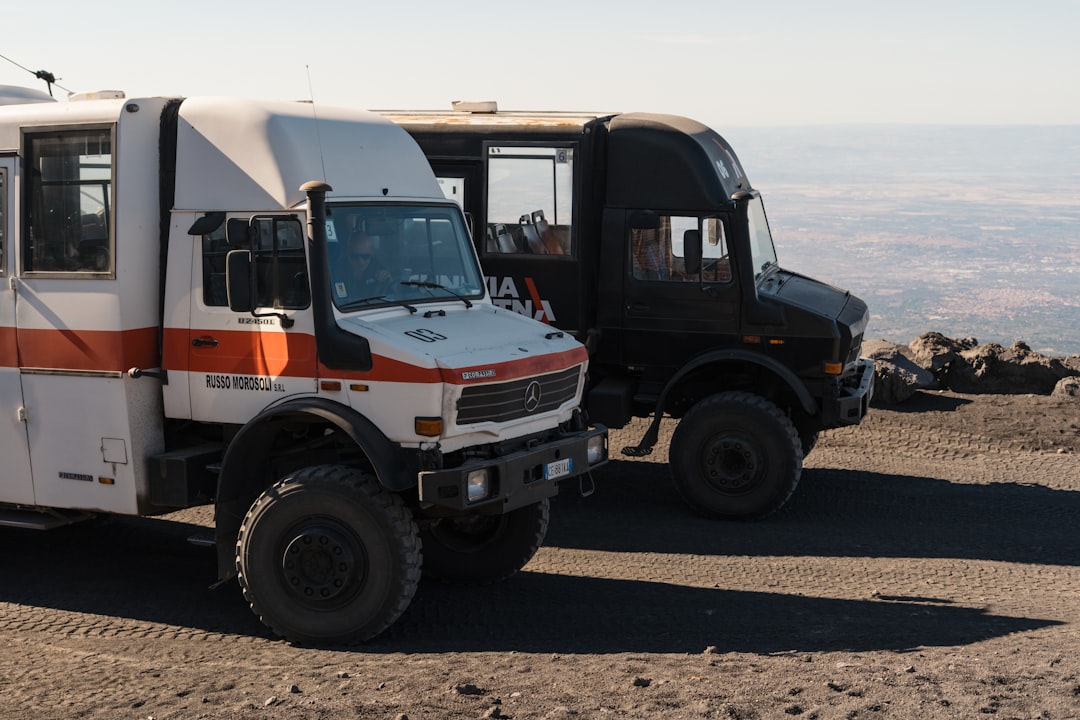
Photo by Polina Kuzovkova on Unsplash
Why Dust and Debris Are a Real Engine Threat
Engine air filters balance two competing metrics: filtration efficiency and airflow restriction. Stock OEM paper filters are calibrated for city and highway driving, where ambient particle loads are predictable and relatively low. In backcountry conditions, a paper element saturated with fine dust becomes progressively more restrictive. As the filter loads, your engine management system compensates by reducing fuel delivery to maintain the correct air-fuel ratio. The result is incremental power and efficiency loss through the day, without any dramatic warning that something is wrong.
Particles that make it past a compromised filter are the real danger. Silica particles smaller than 10 microns are fine enough to pass through weakened filter elements and enter the intake tract. Once inside, they embed in cylinder wall coatings, accelerate ring and bore wear, and contaminate engine oil. Filtration engineering research consistently identifies particles in the 2–10 micron range as responsible for the majority of abrasive engine wear - precisely the size range that dominates airborne trail dust in desert and volcanic terrain.
Debris is a second, distinct category: larger particles including grass seeds, insects, bark fragments, and coarse grit that clog filter media quickly and can damage throttle bodies or mass airflow sensors if they bypass the element. This matters especially for low-mounted cold air intakes that pick up disturbed material from the trail surface.
The corrective strategy has three tiers: a better filter element, a physical pre-cleaner to protect the filter from larger debris, and a relocated intake that draws from a higher, cleaner position. They stack effectively without requiring you to do all three at once.
Protection Strategies
Upgrading Your Air Filter: Your First Line of Defense Against Dust
The simplest and most cost-effective step starts with the filter element. The K&N 33-5083 High-Flow Air Filter is a direct drop-in replacement for 2019–2026 GM full-size trucks and SUVs - covering the Silverado, Tahoe, Suburban, Yukon, Sierra, Escalade, and the broader Cadillac/Chevy/GMC platforms sharing that intake architecture. It is a premium washable filter element designed for long-term reuse.
The core trail-use advantage is higher dust-holding capacity combined with washability. On a dusty multi-day trip, you can clean and re-oil the filter at camp with a K&N cleaning kit rather than carrying disposable paper elements. That matters practically when you are three hours from the nearest auto parts store and the filter is loaded.
K&N Engineering rates the 33-5083 at 99% filtration efficiency at the ISO 5011 test standard when properly oiled, with a flow rate meaningfully above the stock paper element. Manufacturer-claimed dyno gains for applicable GM platforms run to approximately 2.27 HP and 1.41 lb-ft of torque. On a budget build, the power gain is a bonus rather than the primary reason to upgrade. The real value is extended service life, in-field serviceability, and maintained airflow across a full day of dusty trail driving.
The critical installation detail is correct oiling. An under-oiled filter drops its filtration efficiency substantially. An over-oiled filter transfers oil to the mass airflow sensor, which degrades sensor accuracy and can trigger diagnostic codes. K&N’s oiling procedure takes about five minutes and is printed on the bottle. Follow it exactly, including the two-step application and wait time between coats.
For vehicles outside the GM full-size platform, K&N’s application lookup covers thousands of fitments. The 33-5083 is GM-specific, but the same design philosophy and performance characteristics apply to the correct drop-in filter for your vehicle.
Snorkels: Protecting Your Engine from Dust in the Worst Conditions
A snorkel relocates the air intake from a low position in the engine bay to the roofline, drawing intake air from well above the dust cloud churned up by your own tires and any vehicles running ahead. The ARB SS172HP Safari Snorkel is engineered specifically for the 2016–2021 Toyota Tacoma and brings ARB’s ARMAX airflow technology to one of the most trail-used platforms in overlanding.
At roofline height, airborne particle concentrations are substantially lower than at the wheel arch level where most stock intakes sit. The elevated inlet also draws cooler, denser air than heat-soaked engine bay air, delivering a modest combustion efficiency benefit on long trail days. ARB’s snorkel documentation describes the ARMAX engineering as optimized for particle separation and unrestricted airflow volume, using a cyclone-style pre-separation chamber in the snorkel head to shed larger debris before it reaches the filter element.
The snorkel also provides water crossing protection. When combined with proper technique - slow speed, no bow wave - the elevated intake height keeps the air inlet well above the waterline in crossings up to approximately 70–75% of the vehicle’s body height. Consult ARB’s fitment specifications for your exact application before attempting deep water. For the full preparation checklist, the water crossings technique and vehicle prep guide covers both approach technique and the mechanical preparation that separates a clean crossing from an engine full of water.
Installation on the Tacoma involves cutting a body panel to route the intake hose. Consult ARB’s installation documentation for required hardware and steps before beginning. The job is within the capability of a builder comfortable with hand tools and careful template work, but it is a permanent body modification. If you are not confident with the body cut, a 4WD specialist can handle the installation.
One important clarification: a snorkel alone does not make a vehicle invincible. The air filter still needs to be in good condition, and all other engine bay breather points - differential, transmission, and transfer case vents - must be addressed separately to prevent ingestion through those paths.
Pre-Cleaners and Precharger Wraps: The Budget Dust Layer You Are Missing
Between a filter upgrade and a full snorkel installation sits an inexpensive layer of protection that most budget builders skip: the precharger wrap. The K&N RE-0810PK Black Precharger Filter Wrap fits over the K&N RE-0810 filter, adding an outer protective layer between incoming air and the main filter element.
The precharger intercepts the larger fraction of airborne contamination: pollen, coarse dust particles, bark fragments, and insect material. Stopping these particles before they reach the cotton gauze extends the service interval of the primary filter element, which means better airflow for longer between cleanings. In sustained dusty conditions, that translates to more consistent engine performance through the day.
The foam is washable. Cleaning protocol is simple: remove the precharger, rinse with water, allow to dry completely, and reinstall. Do not apply oil to the precharger foam - it functions as a mechanical pre-screen, not a filtration medium that benefits from oiling.
The precharger is especially smart if you run a cold air intake with a conical filter positioned near the engine bay opening. Those positions maximize airflow but also maximize exposure to rooster-tailed debris from the front wheels. Adding a precharger at a fraction of the cost of a full intake overhaul buys meaningful additional protection where the filter is most exposed.
Engine Bay Protection: Sealing What the Filter Alone Cannot Stop
Air filter upgrades protect the intake tract, but dust and debris enter the engine bay through other paths. Electrical connectors corroded by fine dust-laden moisture, throttle body housings packed with debris, and drivetrain components ingesting contamination through unprotected vent lines are all real failure modes on vehicles that see sustained backcountry use.
Follow these steps before any multi-day dusty trail use:
- Inspect all wiring loom grommets where harnesses pass through the firewall. Cracked or perished grommets allow silica-laden air to reach protected electrical areas. Replace any that have hardened or split.
- Apply dielectric grease to accessible electrical connector bodies. Focus on the mass airflow sensor connector, throttle position sensor, and any connectors in or near the air intake path. Do this annually or after particularly severe dust exposure.
- Check and reseat the air box lid latches and sealing gasket before every multi-day trip. A filter box that does not seal correctly routes unfiltered air directly into the intake - the filter element inside is irrelevant if air is bypassing it around the box edges.
- Inspect the air box-to-throttle body intake pipe for cracks and loose clamps. Any split or unseated clamp creates an unfiltered air path downstream of the filter element.
- Check differential, transmission, and transfer case breather hoses. Stock breather termination points on trucks and SUVs are often at wheel arch height - adequate for street use and inadequate for serious dust or water exposure. Rerouting these hoses upward with appropriate extensions is a complementary upgrade to any intake protection strategy.
- After dusty trail sections, blow out the engine bay with compressed air from your trail compressor once the engine has cooled. Focus on the throttle body area, mass airflow sensor, and brake master cylinder.
The breather hose point deserves extra emphasis: addressing them alongside your intake protection upgrade - rather than as an afterthought - avoids expensive differential and transmission damage that no snorkel or filter will prevent. For the tools and spares needed for on-trail inspection and repair, the vehicle maintenance on the trail guide covers exactly what to carry.
Maintenance Intervals That Match Actual Trail Use
Stock maintenance schedules are calibrated for normal driving. Trail use in dusty conditions is not normal driving, and running stock intervals without adjustment undermines an otherwise solid protection setup.
| Maintenance Item | Stock Interval | Dusty Trail Adjustment |
|---|---|---|
| Air filter inspection | 15,000–30,000 miles | Every trip or every 500 trail miles |
| Air filter cleaning (K&N reusable) | 50,000 miles | Every 2–3 dusty outings |
| Engine oil and filter | 5,000–10,000 miles | Shorten by 25–30% after sustained dusty operation |
| PCV valve inspection | 30,000–60,000 miles | Annual, or after a heavy dust season |
| Mass airflow sensor cleaning | As needed | Every 3–4 air filter cleanings |
The mass airflow sensor deserves special attention. The MAF sensor reads incoming air volume to calibrate fuel delivery, and contamination accumulates on the sensing element over time, causing lean running conditions, rough idle, and degraded throttle response. Use a MAF-specific electronic cleaner spray - do not substitute generic electrical contact cleaner, which can permanently damage the sensing wire. The cleaning process takes about five minutes and costs under ten dollars.
After a trip involving prolonged heavy dust exposure, check the oil on the dipstick. Significantly darkened oil well within its normal mileage interval is a practical indicator to change early. Do not wait for the scheduled interval if the oil is telling you otherwise.
Common Mistakes That Leave Your Engine Exposed
Most engine damage from trail dust is preventable. The failure patterns are consistent and entirely correctable.
Getting the oiling protocol wrong on a gauze filter. Cotton gauze filters capture particles through an oil-adhesion mechanism. An under-oiled filter lets fine silica particles through at damaging rates. An over-oiled filter deposits excess oil on the MAF sensor, causing drivability issues and diagnostic codes. The instructions are printed on the bottle. Follow them every time the filter is serviced.
Not checking air box sealing before a trip. A filter rated at 99% efficiency is meaningless if the air box lid is not properly latched or the sealing gasket has hardened and cracked. Unfiltered air finds the path of least resistance. Check the lid clips and gasket condition before every multi-day outing - not only when the filter is due for service.
Running a precharger wrap during everyday street driving. A precharger adds a small but real airflow restriction. In typical daily driving without dust exposure, that restriction provides no benefit and marginally reduces efficiency and throttle response. Put the precharger on for trail trips and remove it afterward if your intake is accessible. Builds where the intake is buried can leave it on permanently, but that should be a deliberate choice.
Treating a snorkel as a complete solution. A snorkel moves the air intake to a better position. It does not seal differential, transmission, or transfer case vents. A vehicle with a snorkel and unextended breather hoses can still hydro-lock a differential in a deep water crossing. Treat snorkel installation and breather hose extension as a single project, not two separate ones.
Leaving a loaded filter on the vehicle between trips. A filter at 70% capacity at the end of one trip will reach near-choke conditions before the first serious dust cloud of the next trip. Clean the filter at the end of each dusty outing, not the morning before departure. Cleaning at home gives adequate drying time before reinstallation.
Ignoring the cabin air filter. The same conditions hammering the engine air filter are loading the cabin filter. A plugged cabin filter strains the HVAC blower motor and reduces defrost effectiveness. Service it on the same schedule as your engine air filter under dusty conditions, and carry a spare on extended trips where replacement opportunities are limited.
Frequently Asked Questions
How often should I clean my K&N air filter during an overlanding trip?
In heavy dust conditions - desert trails, volcanic gravel, dry clay two-tracks - inspect the filter every day you are actively driving dusty terrain. Remove the element and hold it up to ambient light: if you cannot see light through the filter medium, clean it before the next day’s drive. In moderate dust, every 200–500 trail miles is a reasonable inspection interval. Even a quality washable filter has limits; in very dusty conditions it will require cleaning just as a disposable element requires replacement. On very dusty multi-day trips, carrying a pre-cleaned and re-oiled spare element to swap in the field eliminates on-trail cleaning and drying time entirely.
Is a snorkel worth installing on a budget build if I am not planning deep water crossings?
For vehicles that regularly run dry, dusty trails, a snorkel delivers genuine value even if water crossings are rare. Relocating the intake above wheel level draws air from above the dust generated at ground level. The ARB SS172HP is designed to protect your engine from dust and water while traveling, and for a Tacoma that sees regular desert or high-desert trail use, it provides a meaningful second layer of defense. If your trails are primarily forested two-tracks with low ambient dust, the benefit is less clear-cut. A quality filter upgrade combined with attentive maintenance produces a solid outcome in those conditions at a fraction of the snorkel cost.
Can I use any precharger foam on my K&N conical filter, or does it need to be brand-matched?
Brand-matching matters for fitment. A precharger is sized to fit a specific filter model. The K&N RE-0810PK is designed to wrap the RE-0810 filter specifically - using a mismatched wrap creates gaps that defeat the purpose entirely. K&N’s application guide lists the correct precharger part number for each filter. For non-K&N filters, check the manufacturer’s own accessory line first, or measure your filter carefully before sourcing a third-party wrap. A precharger that does not fit snugly can shift during driving and leave an unprotected gap around the filter element.
Does a high-flow gauze filter actually protect the engine as well as a paper filter in dusty conditions?
A correctly oiled and properly seated cotton gauze filter meets or exceeds the filtration efficiency of a stock paper element at the ISO 5011 test standard. Cotton gauze captures particles through an oil-adhesion mechanism rather than purely mechanical blocking - which is why correct oiling is non-negotiable. An over-oiled or improperly installed gauze filter can transfer oil contamination downstream to the MAF sensor, causing drivability problems. The key is correct installation and oiling protocol every time the filter is serviced. Filtration engineering assessments consistently confirm that a properly installed cotton gauze filter provides comparable particle capture to a quality OEM paper element, with higher sustained airflow across the filter’s service interval.
Conclusion
Protecting your engine from dust and debris on remote trails comes down to building a layered system and maintaining it on a schedule that reflects actual operating conditions. A quality reusable filter element, correct installation and oiling, attention to air box sealing, and adjusted service intervals handle the vast majority of trail dust scenarios without extraordinary expense. For builds on GM full-size platforms, the K&N 33-5083 is the logical starting point. For Tacoma builds that regularly run serious desert or volcanic terrain, the ARB SS172HP snorkel adds a meaningful second tier of protection. Start with the filter and the maintenance habits, and add the snorkel when the terrain consistently demands it.
If this guide helped you think through your intake protection setup, bookmark it for pre-trip reference and drop a comment below with what you are running on your build.
Related Reading